Same Soul, Better Plating: How to Upgrade Classic Asian Comfort Dishes Without Losing What Makes Them Magic
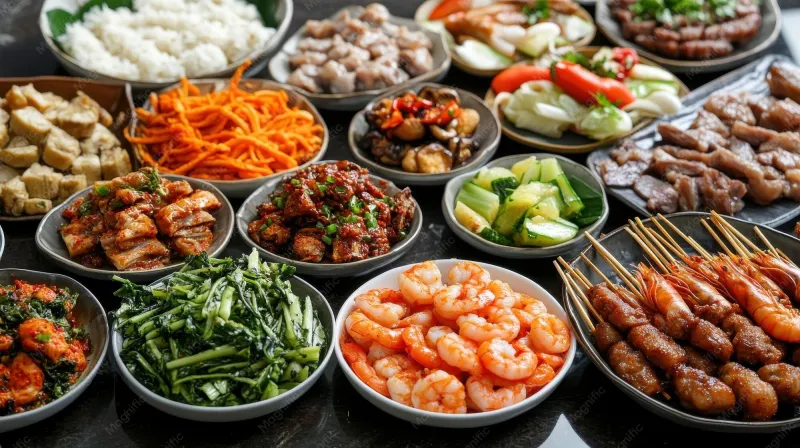
Photo: elevated Asian comfort food dishes beautifully plated on wooden table dinner party, via img.freepik.com
There's a particular kind of pride that comes with bringing a dish from your culture to a potluck or dinner party and watching people go back for seconds. And then thirds. And then quietly ask if there's any left to take home. If you've ever shown up with a tray of lumpia or a Dutch oven full of adobo, you already know that feeling.
But maybe you've also been in the opposite situation — hosting a dinner where you wanted to celebrate your heritage and impress guests who don't share it, and you weren't sure how to thread that needle. How do you make a dish feel elevated without stripping away the soul? How do you go from "this is my mom's recipe" to "this is restaurant-worthy" without selling out the recipe in the process?
The good news: you don't need culinary school. You need a few smart technique shifts and a little confidence. Here at Pakoman Mama, we're all about honoring the home kitchen — and these upgrades do exactly that.
Lumpia: From Tray Pass to Table Centerpiece
Lumpia Shanghai is already one of the most crowd-pleasing things you can put on any table, Filipino or otherwise. Crispy, savory, bite-sized — it travels well and disappears fast. But there are a few moves that take it from "great potluck food" to "wait, where did you learn to make these?"
The filling upgrade: Most family recipes use ground pork, and that's absolutely the right call — don't change it. But add a small amount of finely minced water chestnuts for texture contrast, and swap regular soy sauce for a dark mushroom soy to deepen the umami without changing the flavor profile significantly. A tiny hit of sesame oil in the filling goes a long way.
The fry technique: Double-fry your lumpia. Fry once at a lower temperature (around 325°F) to cook the filling through, let them rest on a rack, then do a quick second fry at 375°F right before serving for an extra-shatteringly crisp shell. This is the same principle behind great fried chicken and Korean double-fried wings. It works.
The presentation move: Ditch the paper-towel-lined tray. Stand your lumpia upright in a small glass or cup lined with parchment, or arrange them diagonally on a long wooden board with a small ramekin of sweet chili sauce and a side of pickled green papaya. Same food, completely different impression.
Adobo: Same Recipe, Steakhouse Execution
Chicken or pork adobo is one of those dishes that genuinely doesn't need to be fixed. The vinegar-soy-garlic braise is perfect. What can change is the finish — and that's where you can make it feel restaurant-level.
Reduce the sauce. Most home cooks pull the adobo when the meat is tender and call it done. Instead, remove the meat, crank the heat on the braising liquid, and reduce it down until it becomes glossy and almost syrupy. Then toss the meat back in to coat. That concentrated sauce clinging to every piece of pork belly? That's the difference between home cooking and something people ask for the recipe of.
Crisp the pork. After braising, pat the pork belly pieces dry and sear them in a hot cast iron pan for a couple minutes per side. You get tender, deeply flavored meat with a caramelized crust. Slice it and fan it over garlic fried rice for plating, drizzle the reduced sauce over everything, and finish with a scattering of fried garlic chips.
Serve it composed. Instead of a family-style pot in the middle of the table, plate individual portions with intention. A mound of rice, sliced adobo laid across it, a soft-boiled egg cut in half, and a few pickled vegetables on the side. It's the same dish. It just looks like it costs $24.
Bibimbap: Turning the Mix-It-Yourself Bowl Into a Showpiece
Bibimbap is already a beautiful dish conceptually — all those distinct vegetable preparations arranged in a bowl before the mix. The upgrade here is almost entirely about mise en place and restraint.
Prep each vegetable separately and season deliberately. The temptation when you're cooking for a crowd is to rush. But bibimbap rewards patience. Each component — the spinach, the bean sprouts, the carrots, the mushrooms — should be cooked and seasoned individually, then arranged with intention. Use a variety of colors and make sure there's contrast in every section of the bowl.
The rice matters more than you think. Use a stone bowl (dolsot) if you have one and heat it until the rice crackles and forms a golden crust on the bottom. That crispy rice — nurungji — is a texture revelation for anyone who hasn't had it. If you're cooking for a group and don't have stone bowls, finish individual cast iron skillets of rice in a hot oven for a similar effect.
The gochujang sauce deserves respect. Make it from scratch rather than straight from the tub: mix gochujang with a little sesame oil, rice vinegar, sugar, and garlic, then thin it slightly with water. It should be spoonable, not pasty. Serve it on the side in a small dish so guests can control their heat level — a small but thoughtful touch that multicultural tables will appreciate.
Pad Thai: The Dish Everyone Thinks They Know
Pad thai might be the most ordered Thai dish in America, which means your guests probably have a strong opinion about it — and that's actually an advantage. When yours tastes better than what they're used to, it lands hard.
The pan temperature is everything. Pad thai needs screaming hot, dry heat. A wok or large carbon steel pan, preheated until it's almost smoking, is non-negotiable. If you're cooking for more than two people, cook it in batches. Crowding the pan steams the noodles instead of charring them, and you lose the smoky wok flavor (wok hei) that makes the difference.
Soak, don't boil your noodles. Soak your rice noodles in room temperature water until just pliable — not fully cooked. They'll finish in the pan. Overcooked noodles turn to mush under high heat.
Finish with fresh and crunchy. The toppings aren't garnish — they're structural. Bean sprouts added at the very end (off heat, so they stay crisp), a generous handful of green onions, crushed roasted peanuts, a wedge of lime, and dried chili flakes on the side. Serve it on a wide, shallow plate rather than a deep bowl so the noodles stay loose and visible.
The Rule That Ties It All Together
Every upgrade on this list follows the same underlying logic: technique over transformation. You're not changing what these dishes are. You're just executing them at a higher level — better heat control, more intentional seasoning, smarter presentation.
The soul of these recipes lives in the flavors and the memories attached to them. A bowl of bibimbap still tastes like a Korean home kitchen even when it's plated like a downtown restaurant. Lumpia is still lumpia whether it's on a paper towel or standing in a glass on a charcuterie board.
That's the whole point. You're not trying to make Asian comfort food into something it's not. You're just giving it the presentation it always deserved.
Bring it to the dinner party. Watch what happens.