5 Old-School Asian Cooking Tricks That Will Completely Change Your Weeknight Dinners
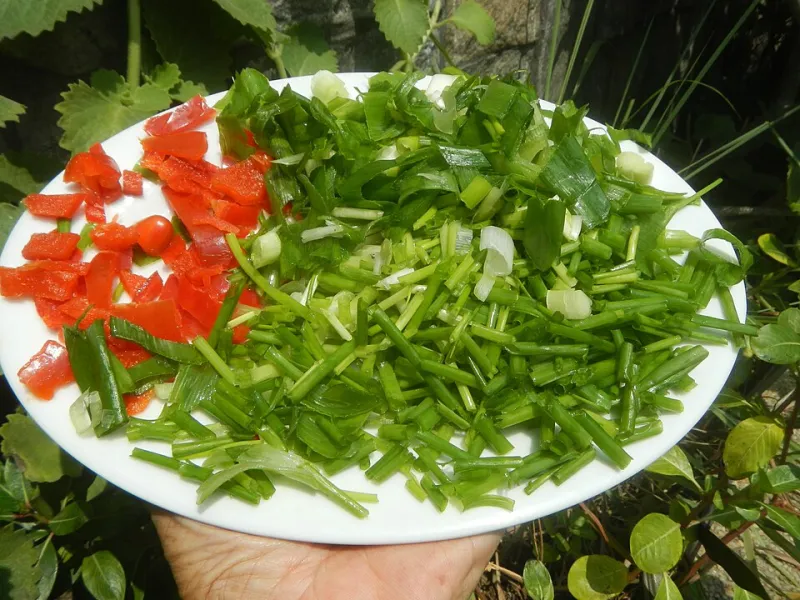
Photo: Judgefloro, CC0, via Wikimedia Commons
Here's something the food world doesn't always say out loud: the most impressive cooking techniques don't come from Michelin-starred restaurants. They come from home kitchens in Manila, Bangkok, Guangzhou, and Seoul — from mamas and lolas and grandmothers who figured out, through decades of cooking for large, hungry families, exactly how to make simple ingredients taste extraordinary.
At Pakoman Mama, we're big believers in the idea that traditional Asian home cooking is one of the most underrated skill sets in any American kitchen. The techniques aren't complicated. They're just unfamiliar to a lot of cooks who didn't grow up with them. Once you learn them, though, you'll start seeing them everywhere — and reaching for them constantly.
Here are five that'll genuinely change the way you cook on a Tuesday night.
1. The Guisado Base: Building Flavor Before Anything Else Goes In
What it is: In Filipino cooking, guisado (or gisa) refers to the technique of sautéing aromatics — garlic, onion, and tomato — low and slow until they've completely softened and started to meld together into a fragrant, slightly jammy base. This is the foundation of dozens of Filipino dishes, from sinigang to adobo to mechado.
Why it works: Most American home cooks sauté garlic and onion quickly, just until softened. The guisado method asks you to slow down and actually cook those aromatics down — we're talking 8 to 12 minutes on medium-low heat — until the tomatoes have broken apart and everything has collapsed into a cohesive paste. The result is a depth of flavor that you simply can't rush.
Before vs. After: Stir together garlic, onion, and canned tomatoes for two minutes, add your ground beef, and you get a fine taco filling. Do the same thing but spend ten minutes building your guisado base first, and that same ground beef becomes something that tastes like it cooked all afternoon.
Quick application: Use this as the start of any braise, stew, or pasta sauce. It works just as well with Italian or Mexican flavors as it does with Filipino ones. The technique is universal.
2. Wok Hei on a Home Stove (Yes, You Can Get It)
What it is: Wok hei — roughly translated as "breath of the wok" — is that smoky, slightly charred, impossibly savory quality you get from a restaurant stir-fry that you can never quite replicate at home. It comes from extremely high heat, fast movement, and a well-seasoned wok.
Why it works: The Maillard reaction (the same thing that makes a good sear taste so good) happens fast and hot. Home stoves max out around 15,000 BTUs; professional woks run at 150,000 or more. That's a real gap. But you can close it significantly with a few adjustments.
The trick: Preheat your wok or largest heavy skillet (cast iron works great) over the highest heat your stove has for at least three minutes before anything goes in. Cook in very small batches — never more than one serving at a time — so the pan doesn't cool down. Keep ingredients moving constantly. And make sure everything is bone dry before it hits the pan; moisture is the enemy of char.
Quick application: Fried rice is the easiest place to practice this. Use day-old rice (freshly cooked rice is too wet), get your pan screaming hot, and work fast. You'll notice the difference immediately — a subtle smokiness and slight crispness on the rice that turns a side dish into the main event.
3. Layering Umami: The Fish Sauce Finish
What it is: Fish sauce — patis in Filipino, nam pla in Thai — is one of those ingredients that American cooks are sometimes hesitant about because of the smell. But used correctly, it doesn't make food taste fishy. It makes food taste more like itself, just amplified and rounder.
Why it works: Fish sauce is packed with glutamates, the same compounds that make Parmesan, soy sauce, and anchovies so addictively savory. Adding a small amount at the end of cooking — or in a marinade — boosts the overall umami level of a dish without announcing itself. It's a background player, not a soloist.
Before vs. After: Season a pan sauce with just salt and pepper. Now add half a teaspoon of fish sauce. The difference is subtle but real — the sauce tastes more complex, more savory, more finished.
Quick application: Add a teaspoon to your next pasta sauce, salad dressing, or burger seasoning. Start small. You can always add more, but you can't take it back. And if the smell bothers you when you open the bottle, just remember: once it's cooked, it transforms completely.
4. The Slow Braise and the Power of Pork Fat
What it is: Filipino cooking has a long tradition of low-and-slow braising — think adobo simmered until the meat is completely tender and the sauce has reduced to a thick, glossy coating, or lechon kawali where pork belly is boiled first, then rested, then fried. The process takes time, but most of it is hands-off.
Why it works: Collagen in tough cuts of meat — pork shoulder, chicken thighs, beef cheeks — breaks down into gelatin over long, slow cooking, giving the braising liquid a silky body that no thickener can replicate. And rendered pork fat carries flavor in a way that oil just doesn't.
The trick most people miss: After your braise is done, don't serve it immediately. Let it rest in its liquid as it cools, then reheat it the next day. Braised dishes almost always taste better on day two, once the flavors have had time to settle back into the meat.
Quick application: Make adobo on Sunday. Use chicken thighs (bone-in, skin-on), soy sauce, vinegar, garlic, bay leaves, and black pepper. Let it simmer for 45 minutes, then rest overnight. Serve over rice on Monday. It will be one of the best weeknight dinners you've had in a while.
5. The Blanch-Then-Stir-Fry Method for Perfect Vegetables
What it is: Instead of throwing raw vegetables straight into a stir-fry (where they either undercook or release too much water and steam everything), briefly blanch them in salted boiling water first, shock them in ice water to stop the cooking, then add them to the wok at the very end.
Why it works: Blanching sets the color and texture of the vegetables, so they stay bright and crisp-tender even after a quick toss in a hot pan. It also means they only need seconds in the wok, which keeps the heat high and the stir-fry moving fast.
Before vs. After: Throw raw broccoli into a stir-fry and you'll get either crunchy-raw or mushy-steamed. Blanch it first for 90 seconds, shock it, and toss it in at the end? You get vibrant green, perfectly tender florets that hold their shape beautifully.
Quick application: This works for almost any vegetable — green beans, bok choy, snap peas, Chinese broccoli (gai lan). Blanch in the morning if you're prepping ahead, store in the fridge, and your weeknight stir-fry comes together in under ten minutes.
The Bigger Picture
None of these techniques require special equipment or hard-to-find ingredients. What they require is a small shift in how you think about cooking — slowing down where it matters, building flavor in layers, and trusting methods that have been refined over generations of real home cooking.
That's the Pakoman Mama philosophy in a nutshell. The best food doesn't come from shortcuts that skip the good stuff. It comes from understanding why things work — and then making them your own.