Feed a Crowd for Less: Budget Asian Dinners That Taste Like You Spent All Day Cooking
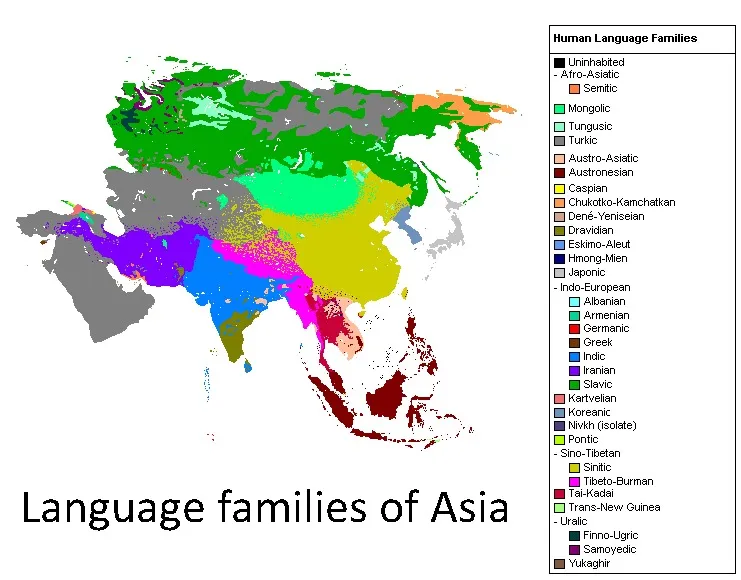
Photo: Industrius at English Wikipedia, Mttll at English Wikipedia, Kwamikagami at English Wikipedia, etc., CC BY-SA 3.0, via Wikimedia Commons
Anybody who grew up in a Filipino or Asian household in the US knows the math. You've got eight people coming for dinner, maybe twelve if the cousins show up unannounced (they will), and you're working with a grocery budget that doesn't stretch to restaurant-style portions. So what do you do?
You cook the way your family taught you. You stretch. You layer. You make the cheap stuff taste expensive, because that's exactly what generations of home cooks figured out long before "budget meal prep" became a content category.
Here's a practical breakdown of dishes and strategies that actually work — pulled from Filipino, Chinese, Vietnamese, and other Asian cooking traditions — along with some real talk from home cooks who've been doing this in American kitchens for years.
The Proteins That Punch Above Their Weight
One of the biggest shifts budget-conscious Asian home cooks make is rethinking which proteins they buy. Chicken thighs over breasts. Pork shoulder over loin. Chicken backs and feet for stock instead of boxed broth. These cuts are cheaper precisely because they require a little more attention — but that attention pays off in flavor.
Adobo with Chicken Thighs and Potatoes Classic Filipino adobo — chicken braised in vinegar, soy sauce, garlic, and bay leaves — is already a budget hero. But stretch it further by adding quartered potatoes or hard-boiled eggs in the last 20 minutes of cooking. The potatoes soak up the braising liquid and become the best part of the dish. A 3-pound pack of chicken thighs at roughly $5–7 can feed six people when paired with two cups of rice per person.
Pork Nilaga (Boiled Pork Soup) Pork neck bones or spare ribs, simmered low and slow with cabbage, potatoes, and green beans, is one of the most forgiving soups in the Filipino playbook. A pound and a half of neck bones — often under $3 at Asian markets — makes a pot that serves four to six. The broth is light, naturally sweet from the vegetables, and deeply satisfying over rice.
Rice Is the Strategy, Not Just the Side
In a lot of American meal planning, starch is an afterthought. In Asian home cooking, it's the foundation that makes everything else go further. A big pot of well-cooked jasmine rice can effectively double the yield of any protein dish.
Maria, a Filipino-American home cook in New Jersey who feeds a family of seven on a tight budget, puts it plainly: "My American friends are shocked when I tell them we eat rice twice a day. But when you do that, you need way less meat per person. A pound of pork goes from feeding four to feeding seven."
For events and potlucks, consider making sinangag — Filipino garlic fried rice — using day-old rice. It costs almost nothing (leftover rice, a head of garlic, oil, salt), it scales up easily in a large wok or skillet, and it's genuinely crowd-pleasing in a way that plain steamed rice isn't.
Soups and Stews: The Infinite Stretch
If there's one category where Asian cooking absolutely dominates the budget meal conversation, it's soups. The logic is simple: broth multiplies your ingredients. A small amount of protein, combined with vegetables, aromatics, and a good base, feeds a table.
Vietnamese Pho-Inspired Beef Noodle Soup You don't need to buy expensive cuts to make a great pho-style broth. Beef bones (knuckle bones, marrow bones) are often $2–3 per pound at Asian grocery stores. Roast them, then simmer with charred onion, ginger, star anise, cinnamon, and cloves for three to four hours. The result is a deeply aromatic broth that costs maybe $8 to make and fills a pot that serves eight. Add rice noodles, thin-sliced beef (or meatballs if you want to stretch further), and a plate of bean sprouts, fresh herbs, and lime on the side.
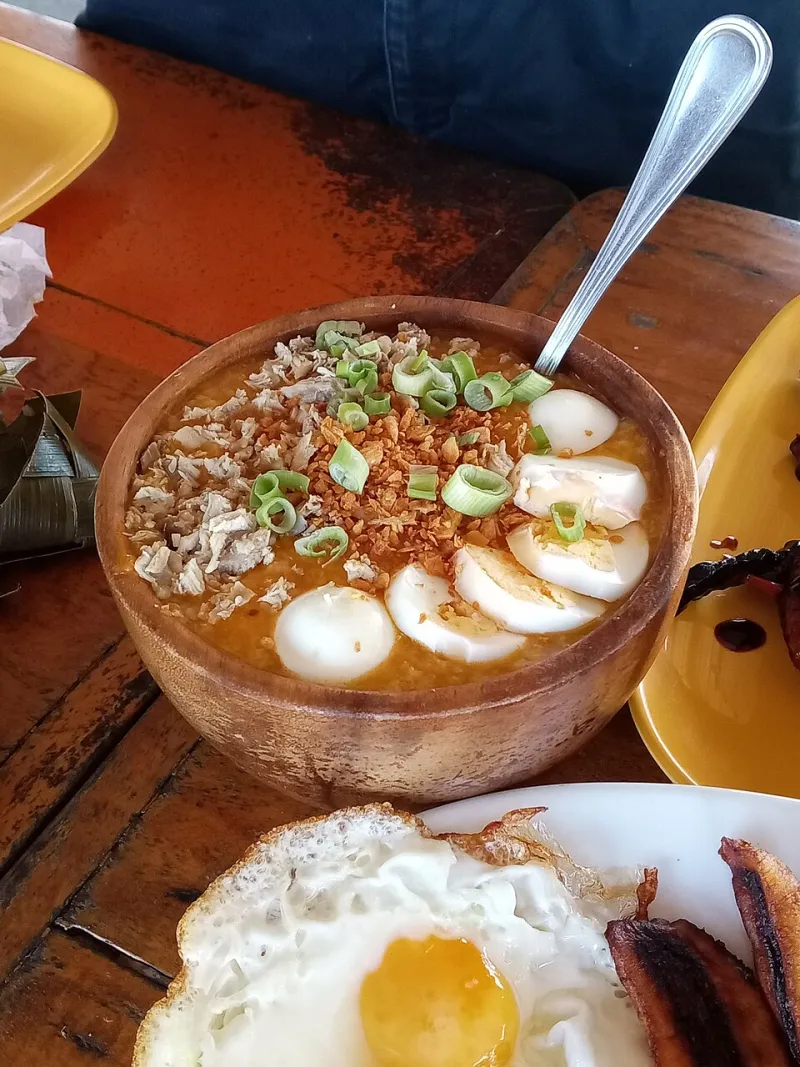
Arroz Caldo for a Crowd Filipino rice porridge — ginger-forward, savory, and endlessly comforting — is one of the most economical dishes in the repertoire. One whole chicken, broken down, stretches into a pot of congee that feeds ten or twelve people when the rice is cooked down to that silky, thick consistency. Top it with fried garlic, sliced boiled eggs, and a drizzle of fish sauce. Total cost for a pot that feeds twelve: roughly $12–15.
The Bulk Buying Principles That Actually Matter
Not all bulk buying is created equal. Here's what experienced Asian home cooks actually prioritize:
- Rice in 25-pound bags. Jasmine rice from Costco or H Mart in large bags costs significantly less per pound than smaller grocery store packages. For families that eat rice daily, this is an easy win.
- Soy sauce, fish sauce, and vinegar in large bottles. These condiments last for months and are used in almost every dish. Buying the large format at an Asian market rather than the small bottles at a mainstream grocery store can cut costs by 40–50%.
- Frozen vegetables over fresh for cooked dishes. Frozen spinach, frozen mixed vegetables, and frozen corn perform just as well as fresh in soups and stir-fries, and they don't go bad between shopping trips.
- Whole chickens over parts. Breaking down a whole chicken yourself takes ten minutes to learn and saves $1–2 per pound compared to pre-cut packages. The carcass becomes stock. Nothing gets wasted.
Make-Ahead Techniques That Save the Week
The other big lever is timing. Asian home cooks have long understood that the most expensive part of a meal isn't the ingredients — it's the energy and time spent cooking from scratch every single night.
Batch-cook your protein bases on Sunday. A large pot of braised pork belly or chicken adobo made on Sunday can be repurposed across three or four weeknight meals. Monday it's adobo with rice. Wednesday it's adobo fried rice. Thursday the leftover braising liquid becomes the base for a quick noodle soup.
Make a big pot of congee and dress it differently each day. Plain arroz caldo or Chinese-style congee is a blank canvas. Top it with a fried egg and scallions one morning, leftover adobo flakes the next, and store-bought century egg (a pantry staple in many Asian households) the day after that.
Lin, a Chinese-American mom in Houston who cooks for her parents and in-laws as well as her own household of four, keeps a container of seasoned ground pork in her fridge every week. "I brown a pound of ground pork with garlic, ginger, soy sauce, and a little sugar on Sunday. Then I put it in everything — mapo tofu, congee, noodles, fried rice. It costs $4 and it flavors half my meals."
Seasonal Swaps That Keep Costs Down
A few easy substitutions that don't compromise the dish:
- Cabbage for bok choy in stir-fries and soups when bok choy is expensive or out of season. Green cabbage is almost always cheap and holds up beautifully in high heat.
- Canned coconut milk for fresh in curries and desserts. The quality difference is minimal in cooked applications.
- Dried shiitake mushrooms for fresh. Dried shiitakes are cheaper, last indefinitely, and actually have more concentrated umami flavor than fresh. Rehydrate them in warm water and use the soaking liquid in your broth.
The Bigger Picture
What makes these strategies work isn't just the individual tricks — it's the underlying philosophy. Asian home cooking has always been about honoring ingredients, wasting nothing, and making every element of a meal count. That approach happens to be very good for a grocery budget, but it was never really about frugality for its own sake. It was about feeding people well, with care, consistently.
That's the part that doesn't get captured in a listicle. But it's the part that makes the food taste the way it does.