Before the School Bus Comes: The 5-Minute Filipino Breakfast That Changed Our Mornings
There's a specific kind of quiet that happens in our kitchen at 6:10 a.m. My kids are half-asleep at the counter, backpacks slumped against the stools like they're too tired to hold themselves up. And I'm grating a block of tablea chocolate into a small pot of milk, the way my mother did in Quezon City before the sun was fully up.
It started as an experiment. It's now the only part of the morning nobody complains about.
The Problem With American Weekday Mornings
Let's be honest about what most of us are working with: cereal gulped standing up, a granola bar in the carpool line, maybe a Pop-Tart if we're feeling generous. The morning rush in the U.S. is built for speed, not connection. And I get it — between school drop-offs and 8 a.m. Zoom calls, nobody has time for a leisurely breakfast.
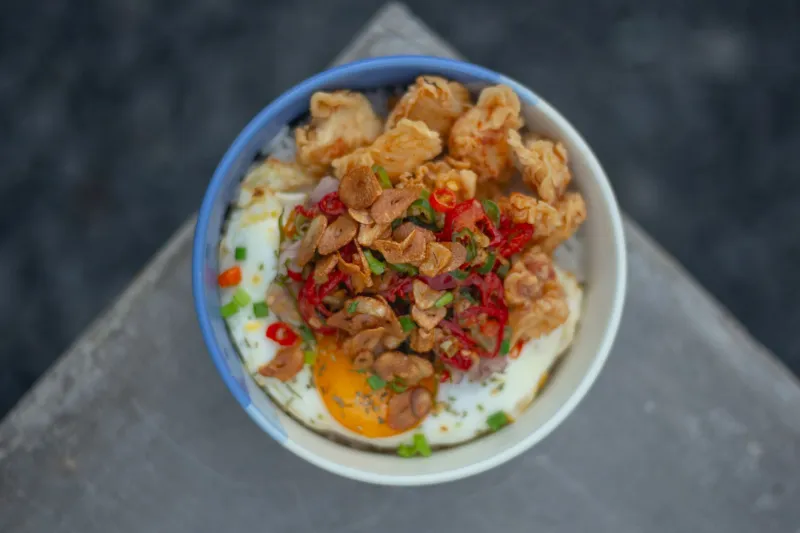
But Filipino food culture never really separated "everyday breakfast" from "meaningful breakfast." A plate of garlic rice and a fried egg takes eight minutes. The ritual around it takes none. That's the part I wanted to give my kids.
The 5-Minute Filipino Breakfast Formula
Here's the framework that saved our mornings. It's simple: one starch + one protein + one warm drink. That's it.
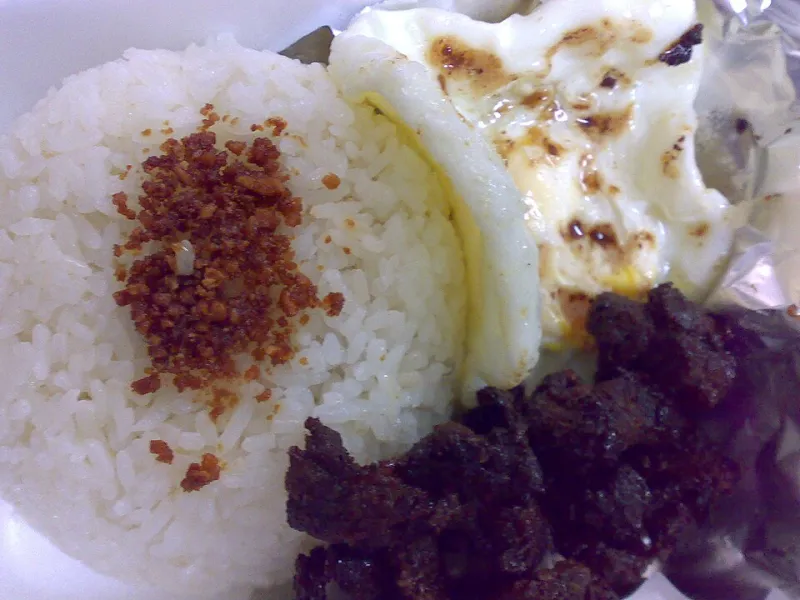
- Starch: Leftover rice turned into sinangag (garlic fried rice), or pandesal from the freezer, warmed for 90 seconds
- Protein: A fried egg with lacy, crispy edges, leftover longganisa from the weekend, or kesong puti if you can find it
- Drink: Tsokolate made from tablea or even good-quality dark chocolate, or just hot calamansi juice with honey
The magic is that all three components can be prepped or sourced ahead. Sinangag is literally better with day-old rice — the fridge dries it out so it fries up fluffy instead of gummy. This is the rare breakfast where leftovers are the whole point.
Make-Ahead Moves Kids Can Do the Night Before
Getting my kids involved was the shift that made this sustainable. These are jobs a seven-year-old can genuinely own:
- Portion the rice. After dinner, they scoop leftover rice into containers for tomorrow's sinangag. One job, done.
- Mix the garlic oil. Minced garlic into a jar of oil, ready to hit the pan. It keeps four days in the fridge.
- Set the tsokolate station. Tablea discs or chopped chocolate in a small bowl, mugs out, milk carton front-and-center in the fridge.
- Fill the pandesal basket. If you've got a Filipino bakery nearby (and more and more American suburbs do), buy a dozen on Sunday and freeze half.
Where to Find the Ingredients Without a Specialty Store
Tablea and kesong puti used to require a trip to an Asian market. Not anymore. Many mainstream groceries now carry Filipino soy sauces and coconut products, and tablea-style drinking chocolate is easy to substitute with any unsweetened dark chocolate — 70% or higher. Pandesal shows up at bakeries, farmers markets, and even some Costco-adjacent freezer aisles these days. If all else fails, a soft dinner roll toasted with butter is a respectable stand-in while you build the habit first and source the real thing later.
Why It Sticks
My daughter told me last week that the smell of chocolate on the stove "means it's almost time to go but not yet." That in-between moment — the two minutes of stirring, the steam, the rice crackling in garlic — is the alarm clock that actually works. Not a notification. Not a rush out the door. Just a small, warm ritual that says: we start the day together, even briefly.
Set yours up tonight. The rice is already cooked.