Skip the Specialty Store: How to Build a Filipino Pantry at Walmart, Kroger, and Aldi
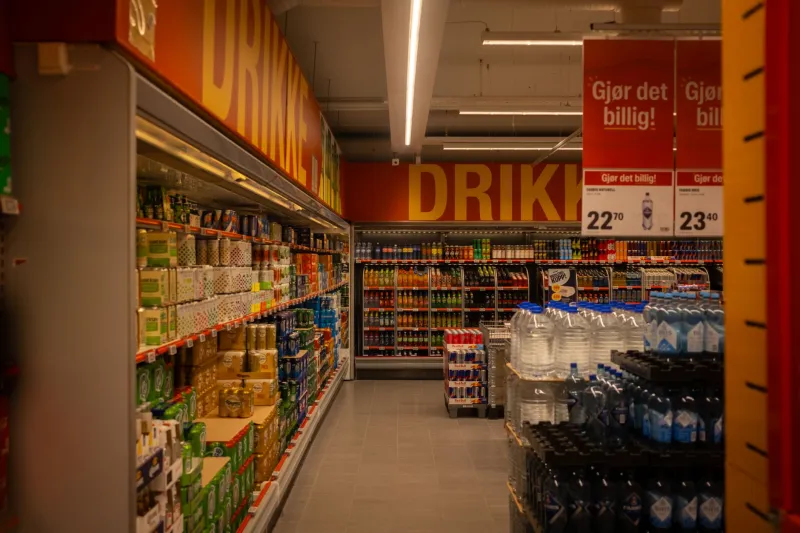
I'll never forget the first time I tried to cook sinigang in a small town in Ohio, three hours from the nearest Filipino bakery and a full day's drive from any real Asian market. My tita had just mailed me a handwritten recipe, and I stood in the produce section of a regional grocery chain staring at a display of radishes, wondering if I could even pull this off.
Turns out, I could. And so can you.
Here's the truth nobody tells you: your average American supermarket — even a bare-bones Aldi — carries more of what you need for Filipino home cooking than you'd expect. You just have to know where to look and, more importantly, when a substitution is a smart move versus a betrayal of the dish.
Start in the International Aisle (Yes, Even at Walmart)
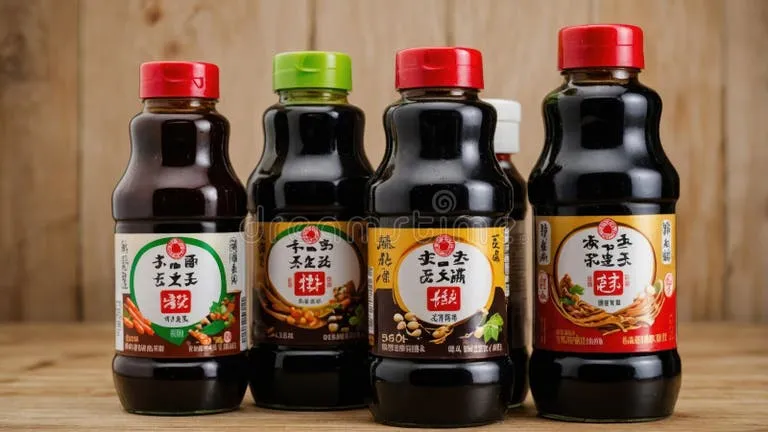
Walmart's international section has quietly become one of the most reliable places in the country to find Filipino basics. Depending on your location, you can often find actual Filipino brands — Soyoo, Datu Puti, even the occasional bottle of banana ketchup — sitting right next to the Chinese and Japanese staples.
If your store carries them, grab:
- Sukang sili (spiced cane vinegar) — or any cane vinegar, which is milder and rounder than distilled white
- Banana ketchup — increasingly stocked in larger Walmart locations
- Soy sauce made for Filipino cooking — thicker, sweeter, darker than Japanese shoyu
No luck? Don't panic. We'll get to the workarounds.
The Swap Chart: What Works and What Ruins Dinner
Not all substitutions are created equal. Some are seamless. Some will make your lola call you from the Philippines just to ask what happened.
Sinigang: Fresh tamarind is lovely, but a packet of tamarind soup base (available at most Kroger stores in the international aisle, or the soup aisle) is what most home cooks actually use — even in the Philippines. This swap isn't a compromise; it's the standard.
Adobo: Real cane vinegar is ideal, but unseasoned rice vinegar gets you 90% of the way there. Do NOT use balsamic, red wine vinegar, or — heaven forbid — seasoned rice vinegar with sugar already in it. Adobo's tang is clean and sharp, not sweet.
Pancit: Cabbage, carrots, and celery are everywhere. The one thing worth hunting for is Chinese-style soy sauce rather than the Japanese kind — it's saltier and punchier, which is what the dish needs.
Lumpia: Ground pork, cabbage, carrots — no problem. The wrapper is the sticking point. Spring roll wrappers from the freezer section work in a pinch, but they're thicker and chewier than proper lumpia wrappers. If you're making these for a party, it's worth the online order.
Kare-kare: This is the one dish where I'll tell you straight up: don't fake it. Peanut butter is not a substitute for ground toasted rice and real peanut paste. The texture and depth are completely different. Order the packet online or save kare-kare for a trip to a real Asian market.
Aldi, Costco, and the Art of Strategic Shopping
Aldi is a mixed bag. Their produce section is cheap and dependable — great for cabbage, onions, garlic, and the bones you'll need for broth. Their international offerings rotate constantly, so it's worth checking every few weeks. I once found fish sauce there for $1.79, which is frankly a crime against the regular price of fish sauce.
Costco is your friend in a different way: bulk proteins. Filipino cooking leans hard on chicken thighs, pork shoulder, and whole fish — all Costco specialties at prices that make feeding a family of five feel less like a mortgage payment. Their rotisserie chicken has even saved more than one arroz caldo night in my house.
When to Just Order It Online
Some things are worth the shipping cost, full stop:
- Real banana ketchup (the American stuff, when you can find it, is not the same)
- Lumpia and spring roll wrappers (frozen, shipped cold)
- Dried shrimp and shrimp paste (bagoong) — this is the flavor backbone of so many dishes, and there's no substitute
- Calamansi juice, if you can't find the fresh fruit
One online order every couple of months, combined with weekly grocery runs, covers 95% of what a Filipino kitchen needs.
The Mindset Shift
Here's what I've learned since that Ohio grocery store: Filipino cooking has always been about resourcefulness. Our ancestors cooked with what the land and sea gave them. The idea that you need a specialty market to cook authentically is a myth — and honestly, a bit of an insult to the spirit of the cuisine.
Your local Kroger is not the enemy of your adobo. It's just another kitchen to work with.
So grab your cart. Walk past the fear. And remember that somewhere in that store, between the conventional American staples and the few international odds and ends, is everything you need to put a pot of something wonderful on the table tonight.
Your family won't know the difference. Your tita might. But she'll forgive you — eventually.