Sweet Pork, Salty Sausage, Chocolate Rice: The Filipino Brunch Menu Your Sunday Table Is Missing
Ask a Filipino what they ate on Saturday mornings growing up, and you'll get a very specific answer. Not pancakes. Not cereal. Something sweet, something salty, something that came together in one pan while the rice cooker clicked off in the corner.
Then ask them what they see on brunch menus now — in Los Angeles, in Chicago, in that one buzzy spot in Austin — and watch them smile. Because the breakfast table never really emigrated. It just waited for everyone else to catch up.
So What Exactly Is on the Plate?
The Filipino breakfast canon that's making the rounds in American kitchens comes down to three heavy hitters:
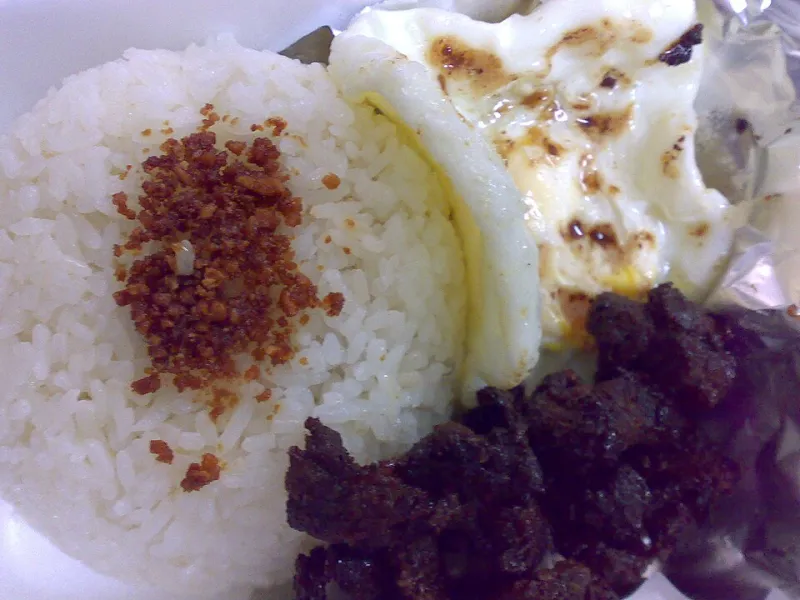
- Tocino — pork cured in sugar, often with a splash of 7UP or pineapple juice in the marinade, then fried until the edges caramelize into something between bacon and candy
- Longganisa — garlicky, frequently vinegary Filipino sausage that crackles in its own fat and puts most breakfast links to shame
- Champorado — chocolate rice porridge, made by simmering glutinous rice with cocoa until it turns thick and glossy, traditionally swirled with a little evaporated milk
None of these were invented for brunch. They were invented because they're delicious, they're cheap, and they feed a family. That they photograph beautifully is just luck — and honestly, part of why they've gone viral on menus from coast to coast.
The Magic Is the Contrast
Here's what American brunch keeps getting right by accident, and what Filipino cooking has known forever: sweet and salty belong on the same fork.
Tocino is basically a sugar cure, so when it hits the hot pan, it doesn't just cook — it lacquers. Longganisa brings the opposite energy: fat, garlic, vinegar, a little heat depending on whose recipe you're using. And champorado? It's dessert that your grandmother insists is breakfast, and she's right.
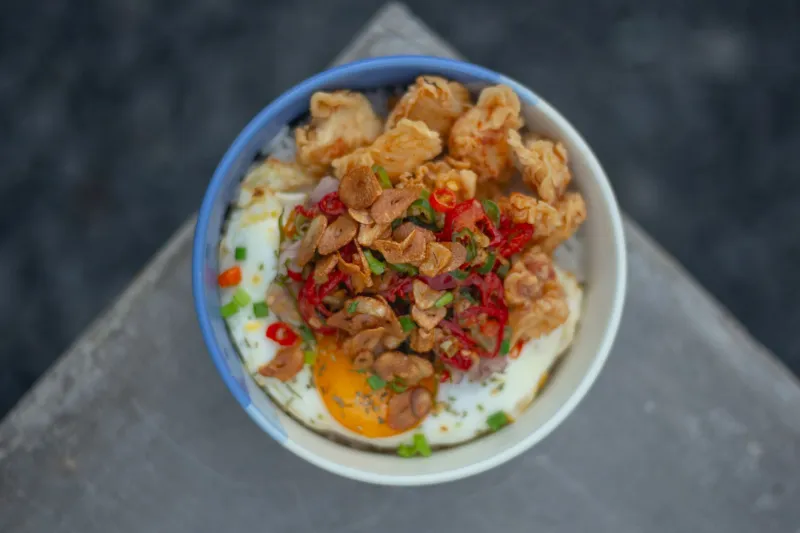
Put them all on one plate with garlic fried rice and a fried egg with lacy, crispy edges, and you've got what Filipinos call a silog-style plate — the same format that turned countless skeptical first-timers into people who now text you asking for the recipe.
Making It Work With a Regular Grocery Run
You do not need a plane ticket or a specialty market to pull this off. Here's the truth: the Filipino diaspora has been improvising with American supermarket ingredients for decades, and the food doesn't suffer for it.
For the tocino: Grab pork shoulder or even thick-cut pork chops, slice thin, and marinate overnight in brown sugar, minced garlic, a splash of soy sauce, and — yes, really — a little lemon-lime soda. The soda sounds like a gimmick. It's not. It tenderizes and adds depth.
For the longganisa substitute situation: If you can't find Filipino longganisa, look for a fresh, coarsely ground sweet Italian sausage and doctor it — brown sugar, more garlic, a spoonful of white vinegar, and a pinch of black pepper. Cook it loose in a skillet and spoon it over rice. Nobody will file a complaint.
For the champorado: Regular short-grain rice works in a pinch, but sushi rice or any glutinous rice gets you closer to that sticky, spoon-coating texture. Simmer it with water and unsweetened cocoa powder (or chopped dark chocolate if you're feeling fancy), and finish with evaporated milk from the baking aisle.
The rice: Day-old rice, minced garlic, oil, salt. That's it. That's the garlic rice. Make it in the pan you just cooked the sausage in and thank us later.
Serving It to Skeptics
Every Filipino-American home cook has a story about the friend who "doesn't eat anything too adventurous" and then demolishes a plate of tocino and eggs. The trick is the format, not the persuasion.
Serve it the way brunch restaurants do: a beautiful plate, an egg on top, something familiar anchoring the edges. People eat with their eyes first, and a caramelized slab of sweet pork next to a runny yolk requires zero cultural translation. The stories come after the second helping.
Your Weekend Spread, Assembled
Here's the no-stress game plan for a Saturday morning:
- Friday night: Marinate the pork. Cook the rice and let it chill in the fridge.
- Saturday, one hour before eating: Simmer the champorado low and slow, stirring occasionally. It likes to hang out.
- Twenty minutes out: Fry the longganisa or loose sausage, remove, and use the same pan for the garlic rice.
- Last five minutes: Fry the tocino until the sugar caramelizes, then fry your eggs in that same glorious fat.
- Serve: Plate everything family-style, put sliced tomatoes and a little vinegar dipping bowl on the table, and let people build their own plates.
One pot of coffee, one pot of champorado, and a table full of people who came as strangers and leave asking when you're doing it again.
Why It Matters
There's something quietly powerful about a cuisine that never had to rebrand itself to win people over. Tocino didn't get a menu consultant. Champorado didn't need a marketing budget. It just needed someone to cook it, serve it, and say, "Here, try this."
That's how home cooking has always traveled — one kitchen, one table, one skeptical friend at a time. And if that friend happens to become the person who shows up early next weekend asking if there's more? Well. That's just the tradition doing what it does.