Not All Soy Sauce Is the Same — And Your Cooking Knows It
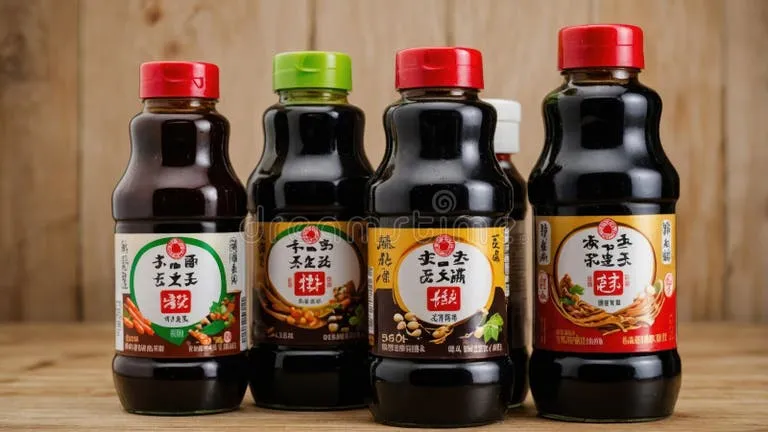
Photo: assorted Asian soy sauce bottles on wooden kitchen counter, via thumbs.dreamstime.com
There's a good chance you have exactly one bottle of soy sauce in your kitchen right now. Maybe it's the one with the green cap. Maybe it's whatever was on sale at the grocery store. Maybe it's been sitting in the fridge door since last year and you're not totally sure when you opened it.
And honestly? That's fine. You're getting by.
But if you've ever eaten at someone's lola's house and thought, why does this adobo taste so different from mine, part of the answer might be sitting right there in the pantry — in a bottle you've never thought twice about.
Soy sauce is not a monolith. Across the Philippines, Japan, China, Indonesia, and beyond, it comes in radically different forms. Different colors, different salt levels, different consistencies, different fermentation methods. Using the wrong one in the wrong dish is a little like using table salt when a recipe calls for fish sauce — technically still salty, but something is definitely off.
Let's talk about what you're actually working with.
The Filipino Perspective: Toyo Is a Whole Thing
In Filipino cooking, toyo — the Tagalog word for soy sauce — is one of the holy trinity of pantry staples, right alongside vinegar and fish sauce. But even within Filipino kitchens, there's nuance.
Traditional Filipino soy sauce tends to be thinner and saltier than its Japanese counterparts, with a sharper, more straightforward brine. Brands like Silver Swan and Datu Puti are staples in Filipino-American households for exactly that reason — they bring that specific flavor profile that makes adobo taste like adobo and not just a soy-braised chicken dish.
If your family is from the Philippines and you've been substituting with Kikkoman for years, your food is still good. But it's not quite the same. The Japanese-style soy sauce has a rounder, slightly sweeter, more umami-forward flavor that changes the character of a dish in subtle but real ways.
Japanese Soy Sauce: The One Most Americans Know Best
Kikkoman is, for better or worse, the ambassador of soy sauce in the United States. It's the little red-capped bottle that showed up on every diner table next to the chopsticks in the '80s and '90s, and it's still the default for most American home cooks.
Japanese shoyu is typically brewed from a roughly equal mix of soybeans and wheat, which gives it that slightly sweet, deeply savory quality. But even within Japanese soy sauce, there are distinctions worth knowing:
- Koikuchi (dark soy sauce) is the most common and versatile — this is your everyday Kikkoman.
- Usukuchi (light soy sauce) is actually saltier than dark, just lighter in color. It's used when you don't want the sauce to darken a dish. Don't let the name fool you.
- Tamari is brewed with little to no wheat, making it a go-to for gluten-free cooking. It's thicker, richer, and works beautifully as a dipping sauce.
- Shiro (white soy sauce) is pale gold and mild — used in delicate preparations where color matters.
If you're shopping at a Japanese grocery store or browsing the Asian aisle at a well-stocked supermarket, you'll find at least a few of these. They're not interchangeable, and knowing the difference will change how you use them.
Chinese Soy Sauce: Dark, Light, and Everything in Between
Chinese soy sauce follows a different logic. Here, light and dark refer less to salt content and more to the stage of fermentation and how the sauce is used.
Light Chinese soy sauce (sheng chou) is thin and very salty — it's used for seasoning during cooking and as a dipping sauce. This is the one you'd use to season a stir-fry.
Dark Chinese soy sauce (lao chou) is thicker, less salty, and slightly sweet from added molasses or caramel. It's used for color and braising — think red-braised pork belly or any dish where you want that deep, lacquered mahogany finish.
Using only light soy sauce in a braise will leave your dish looking pale and tasting flat. Using only dark will make it too sweet and too thick. Most Chinese recipes call for both, and that balance is where the magic happens.
Indonesian and Other Southeast Asian Styles
No conversation about soy sauce is complete without mentioning kecap manis, the thick, molasses-dark, genuinely sweet soy sauce from Indonesia that has quietly become a secret weapon in a lot of Asian-American kitchens.
Kecap manis is almost syrupy in consistency and tastes more like a soy-flavored caramel than anything you'd call savory. It's essential in Indonesian dishes like nasi goreng and satay, but Filipino and other Southeast Asian cooks have adopted it as a glaze, a marinade sweetener, and a finishing drizzle. If you haven't cooked with it yet, pick up a bottle. It's a game-changer.
How to Read the Label at an American Grocery Store
Here's the practical part. When you're standing in the Asian foods aisle at your local H Mart, 99 Ranch, or even a mainstream grocery store, here's what to look for:
Check the ingredient list. A quality soy sauce — Filipino, Japanese, Chinese — should be made from soybeans, water, salt, and possibly wheat. If it's made with hydrolyzed vegetable protein and artificial color, it's a shortcut product. It'll taste like it.
Look for "naturally brewed" or "traditionally brewed." This matters. Authentic soy sauce is fermented over months. The cheap stuff is chemically produced in days. The flavor difference is significant.
Know the brand's origin. Silver Swan and Datu Puti are Filipino. Kikkoman and Yamasa are Japanese. Pearl River Bridge is a trusted Chinese brand. Lee Kum Kee makes both Chinese-style and general Asian sauces. ABC is the go-to for kecap manis. Matching the brand to the cuisine you're cooking isn't required, but it's a good starting point.
Sodium levels vary wildly. If you're managing salt intake, this matters. Some soy sauces have nearly 1,000mg of sodium per tablespoon. Low-sodium options exist across most brands, but they behave a little differently in cooking.
The Lesson Your Grandmother Already Knew
Here's the thing — your lola, your lao lao, your halmoni — she probably wasn't thinking about any of this consciously. She just grabbed the bottle she always grabbed, the one her mother used, the one that made the food taste right. That muscle memory was built over decades of cooking with one specific product until it became second nature.
You're building that same knowledge base, just a little more deliberately. And that's not a bad thing. Understanding why a particular soy sauce works in a particular dish gives you flexibility — the ability to adapt a recipe, substitute thoughtfully, or upgrade a dish you've been making for years.
Soy sauce is one of the oldest condiments in the world. It deserves more than a passing glance on the grocery shelf. Next time you reach for a bottle, take ten seconds to actually look at what you're holding.
Your cooking will thank you.