The Doctor Lives in the Kitchen: Meeting the Family Cook Who Heals With Food
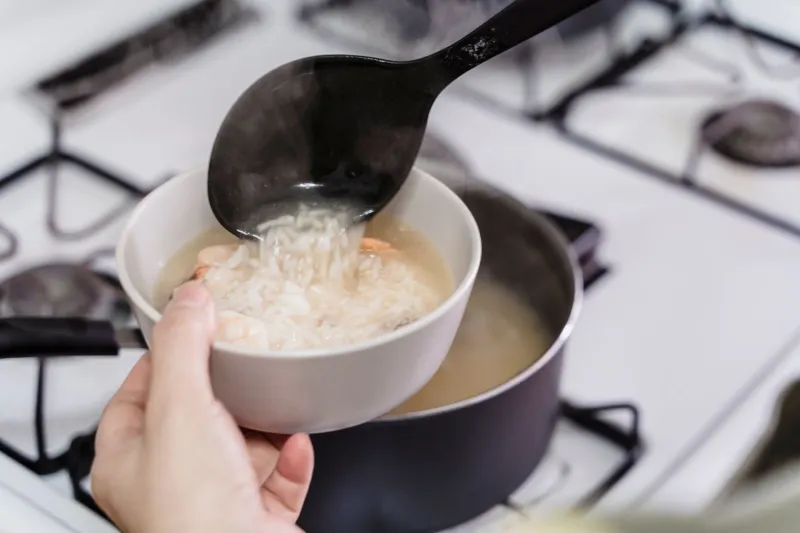
Every Filipino family has one. Not the relative who throws the best parties, and not the one who makes the fanciest birthday cakes — the one who heals. When you were sick as a kid, she's the person who appeared at your door with a thermos of something steaming and ginger-heavy, before anyone had called her. When your heart got broken at nineteen, she didn't say much. She just made lugaw and told you to eat while it was hot.
In our house, that person was my Tita Nena. And in a lot of Filipino-American homes across the US — from Daly City to Jersey City to the Chicago suburbs — that person is still very much on duty.
Food as First Response
In the Philippines, the line between cooking and caring has never really existed. There's a concept close to hilot, the traditional massage-and-healing practice, but the kitchen version is less formal and more constant. Nobody gets a certificate for it. You just become the person who knows what the body needs before the body can ask.
Feeling feverish? That's arroz caldo with extra ginger, because ginger "sweats the sickness out." Coming down with a cold? Salabat — ginger tea, sometimes with a squeeze of calamansi and a spoonful of honey. Run down after having a baby or an operation? Tinolang manok, with malunggay leaves and green papaya, because that's what rebuilds strength.
None of this came from a doctor's office. It came from grandmothers, passed down by repetition rather than recipe. And here's the thing that surprises a lot of American readers: much of it tracks surprisingly well with modern thinking. Ginger genuinely helps with nausea. Warm broths hydrate and ease congestion. Malunggay — moringa, which you can now find powdered at many US grocery stores — is genuinely nutrient-dense. Lola was ahead of the wellness industry by several decades.
The Ginger Rule
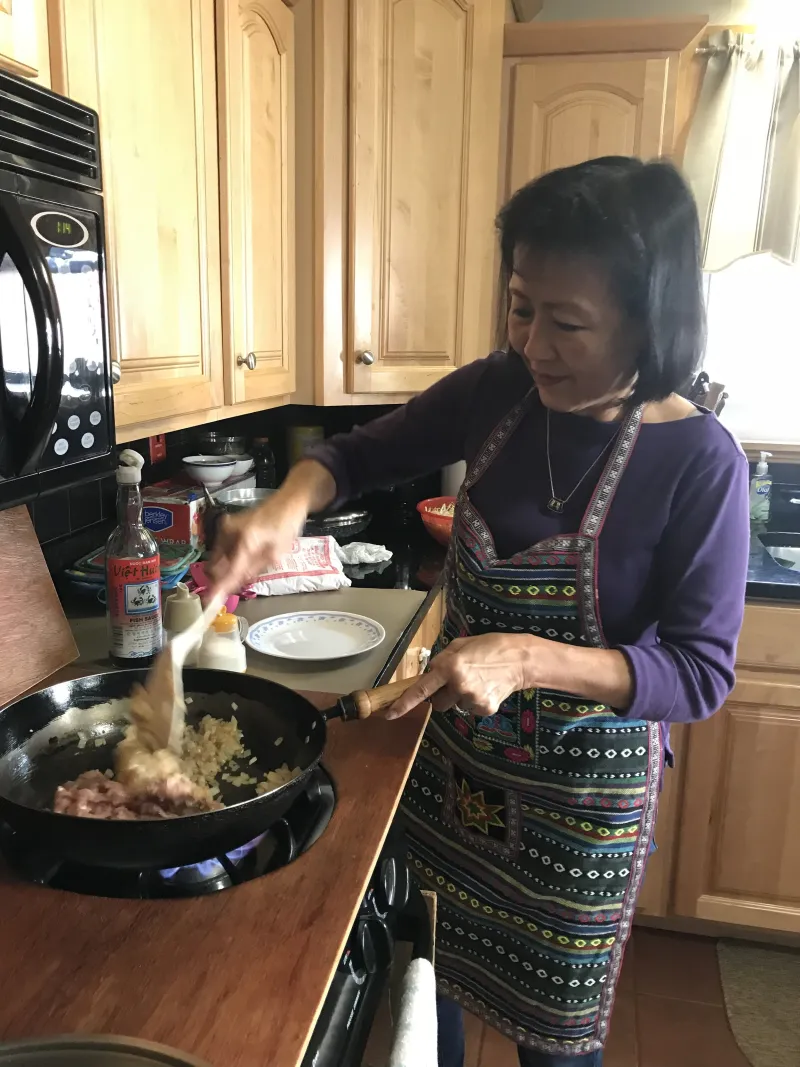
Ask any Filipino about arroz caldo and you'll eventually hit the ginger debate. Tita Nena treated ginger in arroz caldo like a legal requirement. It had to be smashed, not sliced, so it could give everything it had to the broth. She'd toast the rice in a little oil with the garlic and ginger first — a step that sounds optional until you taste the difference.
Her reasoning was always the same: "The ginger is the medicine. The chicken is just the excuse."
That's the philosophy in miniature. In the hilot-of-the-kitchen tradition, flavor and function aren't separate goals fighting for space on the plate. The thing that makes the dish taste like being taken care of is the thing that makes it work. Americans tend to split comfort food and health food into two different aisles. Filipino home cooking never signed that agreement.
A Pantry That Doubles as a Medicine Cabinet
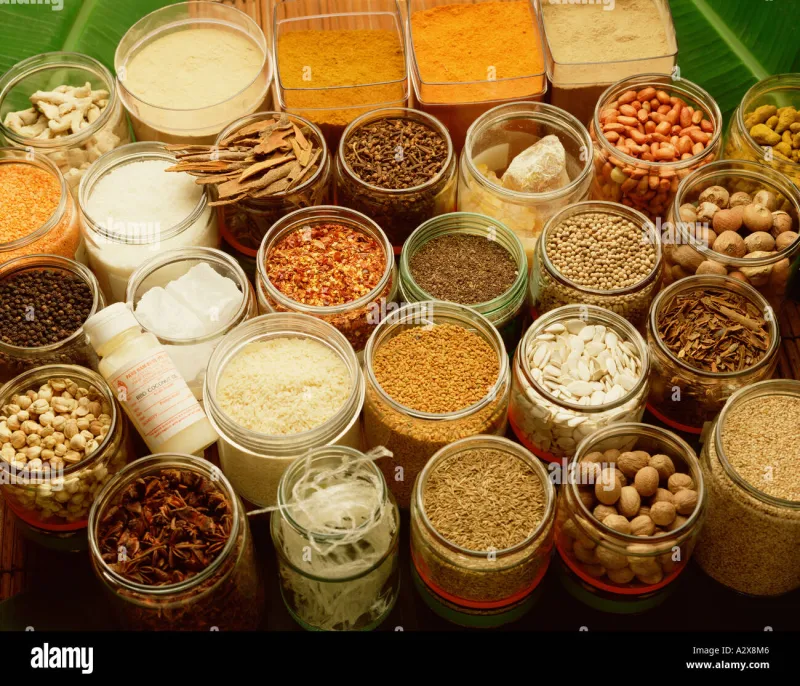
If you want to understand this tradition, look at what's always stocked:
- Ginger — the backbone of salabat, arroz caldo, and tinola. The universal answer to "what's wrong."
- Calamansi — squeezed into tea, over soup, into anything needing a bright, sharp lift. For sore throats, it's non-negotiable.
- Malunggay (moringa) — tossed into soups and stews for strength, especially for new mothers.
- Rice — the base of lugaw and arroz caldo, gentle enough for a sick stomach, filling enough to feel like a real meal.
- Chicken — for the broth, always homemade, because the store-bought stuff "has no life in it," as my tita put it.
Notice that none of these are exotic or expensive. That's the quiet genius of the tradition: it's built on ingredients that were already in the kitchen. Healing wasn't a special purchase. It was a different use of what you had.
Bringing It to an American Kitchen
You don't need a Filipino grandmother on speed dial to borrow from this tradition. If you or someone in your house is run down this cold-and-flu season, try this: smash a few inches of fresh ginger with the side of your knife, sauté it with garlic in a big pot, add a cup of rice and stir until the grains look translucent, then pour in about six cups of chicken stock. Simmer for thirty minutes, add shredded cooked chicken, and finish with fish sauce, black pepper, and sliced scallions. A fried-garlic topping and a squeeze of lemon (calamansi's easier-to-find cousin) take it over the top.
That's arroz caldo, or something close enough. And what you'll notice, about halfway through the bowl, is the feeling the dish was designed to produce — not just warmth, but the specific sense that someone thought about you while this was cooking.
Because that's the real medicine, isn't it? The ginger helps. The broth helps. But the reason this tradition has survived ocean crossings, apartment kitchens, and third-generation picky eaters is that it communicates something no supplement ever will: you are sick, and I am here, and there is food.
The Healer's Inheritance
Tita Nena is older now, and the torch has quietly passed. My cousin in Seattle is the one who shows up with thermoses. Last winter, when my daughter had the flu, my cousin texted me a photo of a pot of lugaw with the caption "for the little one, extra ginger."
No one appointed her. She just absorbed the role, the way you absorb an accent or a lullaby. Somewhere in her kitchen, the hilot of the family carries on — one steaming bowl at a time.
If you're lucky, you have someone like this too, whether they're Filipino or not. If you don't, here's a thought: maybe the role is open. All it takes is a pot, some ginger, and the habit of showing up before you're asked.