Nothing Gets Thrown Away: The Art of the Asian Second-Day Meal
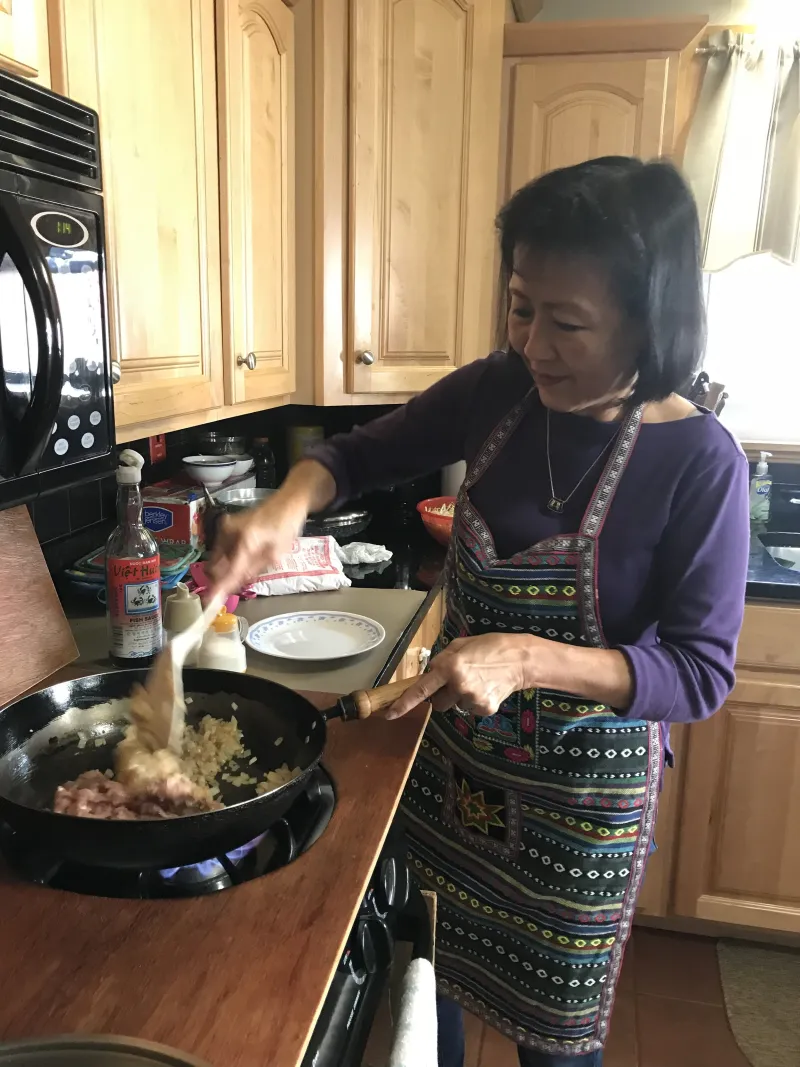
Photo: Filipino mother cooking leftover rice in wok Asian kitchen, via images.squarespace-cdn.com
There's a moment most of us who grew up in Filipino or Asian households know well. You open the fridge the morning after a big dinner, and instead of grabbing a yogurt or a leftover slice of pizza, you find your mom or your lola already at the stove — reheating, repurposing, building something entirely new out of what everyone else might call scraps.
She wasn't just being frugal. She was doing what generations of cooks before her had always done: treating leftovers not as a consolation prize, but as a second chance.
Why Leftovers Mean Something Different in Asian Kitchens
In a lot of American households, leftovers carry a slight stigma. They're the meal you eat when you don't feel like cooking, reheated in the microwave, eaten straight from the container over the sink. But in Filipino, Chinese, Vietnamese, and Korean homes — and across much of Asia — the relationship with leftover food is fundamentally different.
Food waste, historically, wasn't an option. Families cooked what they had, and what they had was often hard-won. That scarcity bred creativity. It built a cooking culture where nothing was considered finished just because the first meal was over. The adobo you made on Sunday wasn't just Sunday's dinner. It was Monday's empanada filling. It was Tuesday's sinangag mixed in with fried garlic rice. It was a building block, not a final product.
That mindset is practical, yes. But it's also deeply philosophical. It says: this food has more to give. And that kind of respect for ingredients is something modern home cooks in the U.S. are only now starting to rediscover.
The Adobo That Never Really Ends
Let's start with the most iconic example in Filipino cooking: adobo. Chicken or pork braised in vinegar, soy sauce, garlic, and bay leaves — it's already one of the most adaptable dishes in the Filipino canon. But what most non-Filipino cooks don't realize is that the dish almost improves the longer it sits. The flavors concentrate. The fat from the meat soaks back into the sauce. By day two, it's richer, deeper, and more complex than it was the night before.
From there, the possibilities branch out in every direction. Shred the leftover chicken adobo and fold it into empanada dough for a hand pie that tastes like it took hours. Chop it up and toss it into sinangag — Filipino garlic fried rice — for a breakfast that'll make your American coworkers jealous of your lunch. Mix it into a simple pasta with a splash of cream and you've got a fusion dish that actually makes sense, because the tangy, savory adobo sauce does half the work for you.
The trick isn't a recipe. It's a way of looking at what's already in front of you.
Fried Rice Is Not a Side Dish — It's a Philosophy
Across East and Southeast Asian cooking traditions, fried rice is essentially the universal answer to the question: what do I do with all this leftover rice? And the answer is brilliant, because day-old rice is actually better for frying than fresh rice. It's drier. The grains stay separate. It gets that slightly crispy edge that fresh rice never quite achieves.
But fried rice isn't just about the rice. It's about everything else in the fridge. Leftover stir-fried vegetables? In. That half-portion of kaldereta or beef mechado from last night? Chop it up and throw it in. A couple of eggs scrambled in. A splash of soy sauce, a little sesame oil, some green onions — and suddenly you have a complete meal that tastes intentional, not improvised.
This is the core skill: learning to see the fridge not as a collection of disconnected leftovers, but as a pantry of pre-cooked components waiting to be assembled into something new.
Soups That Absorb Everything
Another cornerstone of the Asian leftover tradition is the transformative power of broth. In Filipino cooking, sinigang — a sour tamarind-based soup — is often made with whatever protein and vegetables are on hand. But it's also a natural home for leftovers. A few pieces of yesterday's grilled fish, some wilting spinach, half an onion, a couple of tomatoes — sinigang absorbs them all and makes them taste like they were always meant to be together.
The same logic applies to Chinese congee, Vietnamese pho, and Korean doenjang jjigae. These are living dishes, built to receive whatever the kitchen has to offer. They don't demand perfection. They reward resourcefulness.
Changing the Way You See Your Own Fridge
Here's the shift that makes all of this work: stop thinking of leftovers as meals you need to finish and start thinking of them as ingredients you get to use.
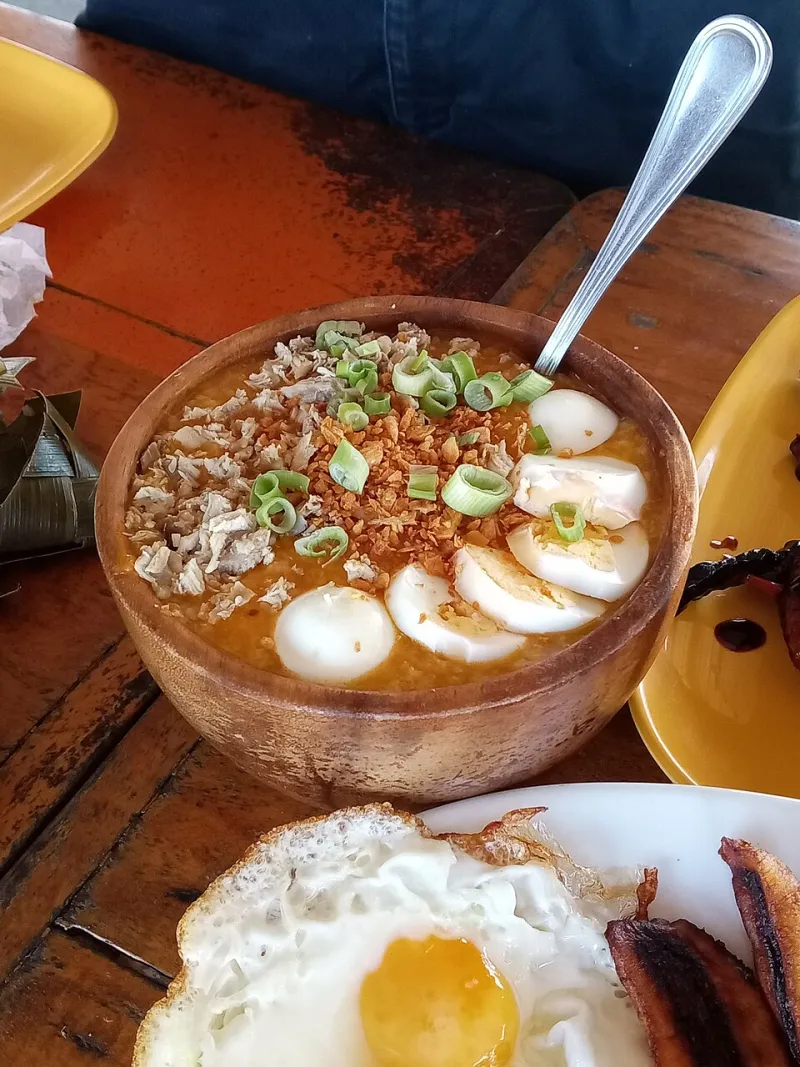
That container of leftover pancit? It can become a crispy pancit patties pan-fried in a little oil, served with a fried egg on top. That last cup of arroz caldo? Thin it out with a little more broth, add some greens, and it's soup again. The bones from last night's chicken? Simmer them with ginger and onion for an hour and you've got the foundation of something entirely new.
You don't need a recipe for any of this. You need the confidence that comes from understanding a principle: good cooking is about building, not starting over.
What Mama Knew That We Forgot
There's a reason this approach to food has survived for generations in Asian households. It's not just about saving money, though it does that too. It's about honoring the effort that went into the original meal. It's about recognizing that a dish doesn't have a single, fixed identity — it can become something else entirely in the right hands.
At Pakoman Mama, we think about this a lot. The recipes we grew up with weren't precious, untouchable things. They were flexible, practical, and alive. They changed based on what was available, what was left over, and who was hungry.
Next time you're about to scrape a container of leftover rice or adobo into the trash, pause for a second. Ask yourself what your lola would have done with it.
The answer might surprise you.