Purple in the Freezer Aisle: How Ube Went From Filipino Freezer Cases to Costco Carts
My Lola kept her ube in the freezer, in a recycled margarine tub with the label half peeled off. No branding. No purple swirls on Instagram. Just deep violet jam she'd steam, grate, and stir for hours on a Saturday, the whole house smelling faintly sweet and coconutty.
Fast-forward to last month: I'm standing in a Costco in New Jersey, staring at a four-pound tub of ube ice cream sitting comfortably next to the Tillamookie and the Kirkland vanilla. In a Trader Joe's across town, there's ube mochi. The Target freezer case has ube in it. The purple yam that lived in plastic tubs in Filipino households has officially gone mainstream — and the story of how it got there is worth telling.
It Started With Ice Cream
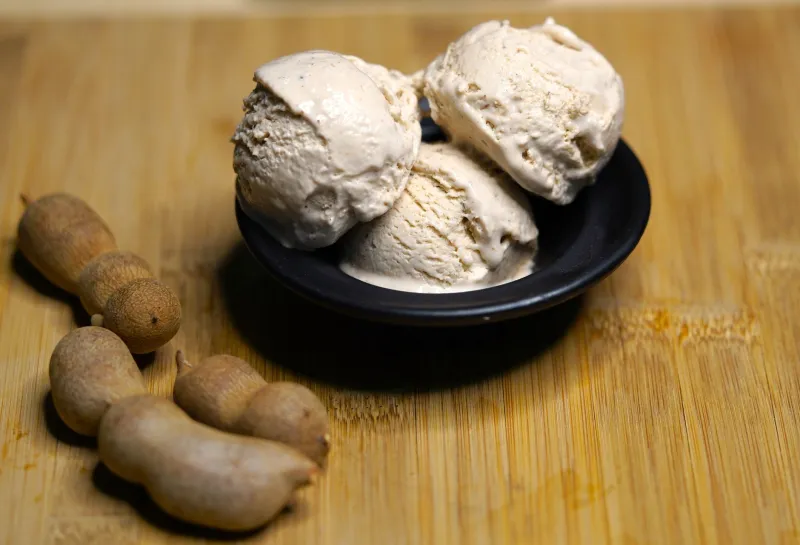
If you want to trace ube's American journey, start where most Filipino kids start: with ice cream. In the Philippines, ube halaya — the slow-cooked purple yam jam — found its most famous expression folded into ice cream, a tradition popularized by brands like Selecta and Magnolia going back decades. Filipino birthday parties ran on it. The purple stain on a child's mouth was proof of a good party.
When Filipino families immigrated to the US, that ice cream memory came with them. For years, the only way to get it was a trip to a Filipino grocery in Queens, Daly City, or Carson — cities where the freezer cases were stocked with flavors American supermarkets had never heard of. Ube. Buko. Langka. Cheese, yes, cheese ice cream, and don't knock it until you've had it with a spoon of ube on the same cone.
Then two things happened at roughly the same time.
The Hashtag and the Handoff
First, the internet found ube. Somewhere in the mid-2010s, the color did what colors do on social media — it traveled. A vibrant purple latte or croissant is algorithm catnip, and ube delivered that visual punch naturally, no food dye required. Bakeries in LA and New York started putting ube in doughnuts and swiss rolls. Food bloggers caught on. Suddenly the ingredient was cool before most Americans could pronounce it (it's OO-beh, and you'll hear about it if you get it wrong).
Second — and this is the part that matters more — Filipino-American entrepreneurs started building brands on purpose. Small companies like Manila Social Club in Brooklyn and family outfits in Southern California began shipping ube products nationally. Second-generation Filipino-Americans, many of whom grew up explaining their lunch to confused classmates, saw an opening to share the food they loved on their own terms. Brands like Kuyin and others followed, and eventually the big players noticed.
By 2021, Trader Joe's had an ube-style honeycomb and ube mochi. Costco carried ube ice cream from Magnolia, the Filipino dairy giant. The margarine tub had made it to the big leagues.
The Pride, and the Fight
Here's where the story gets complicated, because representation in a freezer aisle is never simple.
For a lot of Filipino-Americans, seeing ube at Costco is genuinely moving. It's a small, weird, wonderful thing: the flavor your lola made, sold in a store where people once asked if you were "exotic." Kids who grew up hiding their baon now see their culture merchandised. That's not nothing.
But talk to Filipino home cooks long enough and you'll hear the other side. The word that comes up is "dilution." Mainstream products that use artificial flavoring and a whisper of actual purple yam. Desserts that are purple first and ube second. Ice cream where the coconut and dairy overwhelm the nutty, almost vanilla-adjacent depth that real ube halaya takes hours to develop. Some of it is great. Some of it is purple vanilla wearing a costume.
There's also the gentler worry: that when a heritage ingredient becomes a trend, the trend moves on, and what's left behind is a shelf of forgotten purple products rather than a lasting understanding of Filipino food. Ube is one dish in an entire cuisine — adobo, sinigang, kare-kare — that most Americans still haven't met.
How to Spot the Real Thing
So you're standing in the freezer aisle, purple-curious. Here's what the home cooks I know check:
Read the ingredient list for actual ube. Look for "purple yam" or "ube" high on the list, not buried behind flavoring and coloring. Real ube has a subtle, earthy sweetness — if the tub promises a purple candy explosion, that's your answer.
Watch for coconut. Traditional Filipino ube halaya is cooked with coconut milk. A product that leans on that pairing usually has roots in the real recipe, not just the color.
Check the purple. Authentic ube ranges from lavender-gray to deep violet, and it's rarely neon. Bright, almost cartoonish purple often signals heavy dye.
And when you can, buy from Filipino brands. The companies that carried this ingredient for decades before it was trendy — and the small family businesses who brought it to the mainstream — deserve the sale more than the bandwagon.
Better Yet, Make It Yourself
If you want to know what ube really tastes like, there's no shortcut around the stove. Fresh or frozen grated ube (frozen works great — most Asian groceries carry it), coconut milk, condensed milk, butter, and patience. Stir low and slow for the better part of an hour until it thickens into halaya. Eat it warm with a spoon. Fold the rest into ice cream or spread it on pandesal.
It won't come in a Costco-sized tub. It'll come in a recycled container, the way it should.
The purple magic made it to the mainstream. Now the job — our job — is to make sure the story came with it.