Follow the Vinegar: How Filipino Food Is Quietly Conquering America, City by City
Ask ten people where to find great Filipino food and you'll get the same short list: Los Angeles, the Bay Area, maybe Queens. That list is outdated. Pull up a map of Filipino restaurant openings over the last five years and something surprising shows up — the dots aren't just clustering on the coasts anymore. They're spreading into places like Columbus, Oklahoma City, and the suburbs outside Dallas.
There's a saying in the food world that Filipino cuisine is the next big thing. It's been "the next big thing" for about a decade now. But the real story isn't a trend cycle. It's a slow, steady expansion that follows a very old logic: people cook where their people are, and then everyone else shows up hungry.
The Established Hubs: Where It All Took Root
Start in Carson, California, arguably the Filipino food capital of America. With one of the highest concentrations of Filipino-Americans in the country, Carson's strip malls hold decades-old institutions alongside new fast-casual concepts. What's changed recently is the confidence — younger chefs there aren't apologizing for dishes like dinuguan or papaitan. They're leading with them.
Head east to Jersey City and the broader New Jersey corridor, and you'll find a similar maturation. Journal Square's Little Manila-adjacent blocks have long been a lifeline for homesick flavors, but the last few years brought sleek bakeries, third-wave coffee shops serving ube lattes, and tasting-menu-style pop-ups. The menu shift here is telling: more regional specificity. Instead of generic "adobo," you'll see adobong gata from Bicol, or chicken inasal from the Visayas.
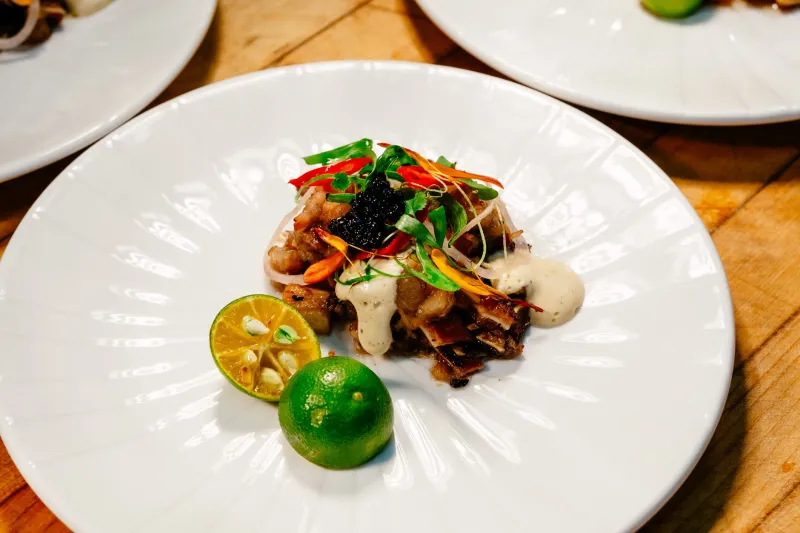
Honolulu and the Seattle-Tacoma corridor round out the classic map. In Hawaii, Filipino food isn't a novelty at all — it's woven into local plate-lunch culture. Seattle's boom, meanwhile, has been driven by a wave of chef-led concepts that treat kare-kare and kinilaw with fine-dining technique without stripping away the soul.
The Surprise Cities: Midwest and South Rising
Here's where the map gets interesting. Las Vegas has quietly become one of the fastest-growing Filipino food scenes in the country, fueled by a big wave of transplants from California priced out of their old neighborhoods. The result: a city with both old-school turo-turo spots and slick new bakeries, often on the same block.
Houston, Dallas, and the Texas triangle tell a migration story too. Filipino nurses and healthcare workers have anchored communities in Texas for decades, but restaurant density lagged behind population. That's changed. Houston now supports everything from weekend kamayan feasts to fast-casual spots slinging silog bowls to downtown office workers.
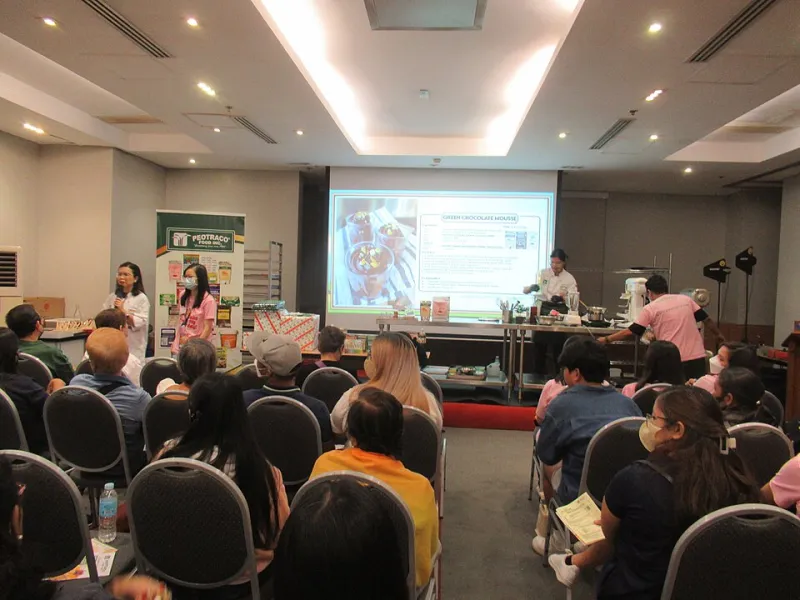
And don't sleep on the Midwest. Chicago, Columbus, and the Twin Cities have all seen new Filipino spots open in neighborhoods where the community is small but mighty. In these cities, one restaurant often becomes a cultural anchor — hosting halo-halo socials, holiday markets, and cooking classes for second-generation kids who never learned Lola's recipes.
What the Menus Reveal
Look at what's actually being served and a pattern emerges. The first wave of Filipino restaurants in America played it safe: spring rolls, barbecue skewers, pancit, adobo — the greatest-hits tour.
The current wave is bolder. Menus now feature:
- Regional dishes with real provenance — Bicol Express, laing, batchoy from Iloilo
- All-day breakfast culture, with silog plates finally getting their daytime due
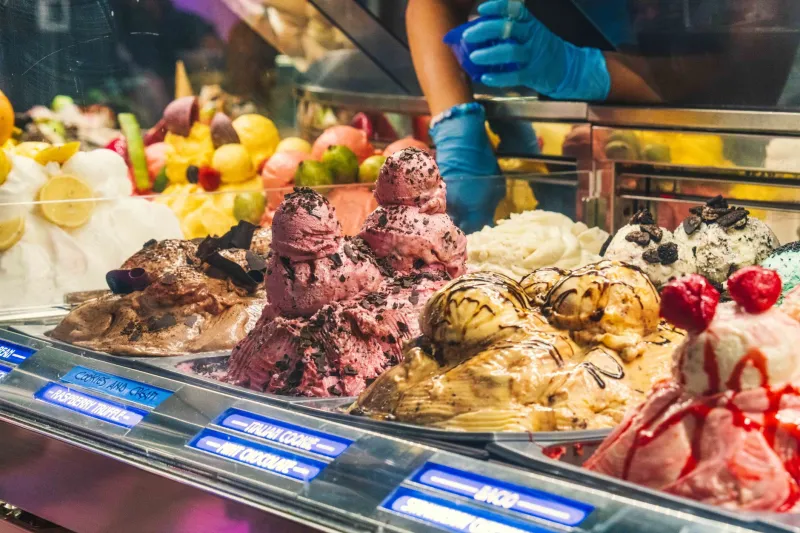
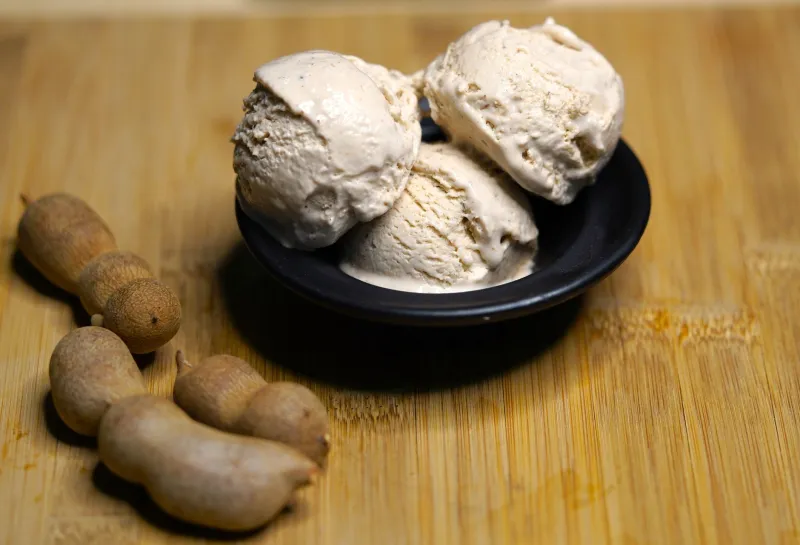
- Dessert-forward concepts built around ube, bibingka, and cheese ice cream
- Fast-casual formats that translate the handaan spread into bowls and plates for American lunch rushes
That last one might matter most. Fast-casual is how cuisines scale in the US. When a Filipino spot opens next to a Chipotle and thrives, that's mainstream arrival — no tasting menu required.
Why the Map Spreads the Way It Does
Filipino food follows people, and Filipino-Americans follow jobs. Healthcare, the Navy, and nursing pipelines shaped where communities put down roots — Virginia Beach, Jacksonville, Albuquerque. Restaurants typically arrive a generation later, once a community has the density and the second-generation confidence to open them.
There's also the retirement factor. A lot of the newest spots are opened by folks who cooked for their families for thirty years and finally took the leap — which is why so many new menus read like family recipe cards rather than culinary-school exercises.
The Next Wave
If you want to predict where Filipino food goes next, watch three things: where new bakery openings cluster, where fast-casual concepts get second locations, and where grocery stores start stocking calamansi and banana ketchup in the regular international aisle instead of the back shelf.
The adobo is already out there, simmering in kitchens from Carson to Columbus. The map is just catching up.