What Survives the Backpack: Packing Filipino Baon for American Schools and Office Fridges
There's a specific moment every Filipino parent in the US knows. You open the lunchbox at pickup and find the rice untouched, the adobo sauce pooled in the corner, and a note from the teacher about the smell.
That's not a reason to stop packing baon. It's a reason to pack it better.
Filipino food is genuinely well suited to lunch duty — it's flavorful at room temperature, it's built on rice, and a lot of it improves overnight. But a lunchbox that sits in a backpack from 7:30 a.m. to noon, then in a cubby, then on a bus, is a different environment than a kitchen counter. Here's how to work with it instead of against it.
Food safety first, because this part isn't negotiable
Two things matter more than flavor: temperature and rice.
The two-hour rule. Perishable food left between 40°F and 140°F for more than two hours should be tossed — one hour if the room is above 90°F. A school hallway in September counts. An office desk in July counts.
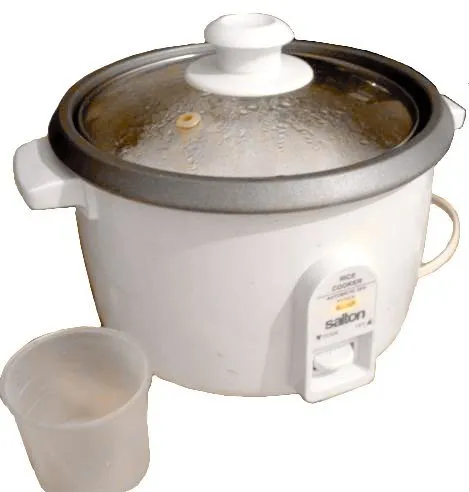
Rice needs special handling. Cooked rice is one of those foods that can grow Bacillus cereus if it sits warm too long, and reheating doesn't always fix it. The fix is speed: spread leftover rice in a shallow container, let it cool within about an hour, then refrigerate immediately. Don't leave the cooker on warm all afternoon and pack from it at night.
Reheating matters. Leftovers should be reheated to 165°F, steaming hot, all the way through — not just warmed at the edges in a weak microwave.
Practically, that means an insulated bag with a real ice pack for anything with meat, dairy, or egg. A gel pack frozen overnight and tucked beside the container keeps things cold until lunch in most climates. If your kid's school doesn't allow a microwave, build the lunch around foods that are safe and good cold.
The dishes that pack well — and the ones that don't
Think in terms of what happens to a dish after four hours in a sealed box.
Great travelers:
- Chicken or pork adobo, especially with the sauce cooked down and the meat sliced
- Bistek, with the onions packed separately
- Braised dishes — mechado, kaldereta, chicken with potatoes — as long as the sauce isn't thin
- Longganisa or tocino, cooked firm and blotted
- Fried fish or fried chicken, packed with a paper towel under it
- Hard-boiled eggs, atsara, quick-pickled vegetables
Risky travelers:
- Pancit and other noodle dishes — they go soft and absorb everything
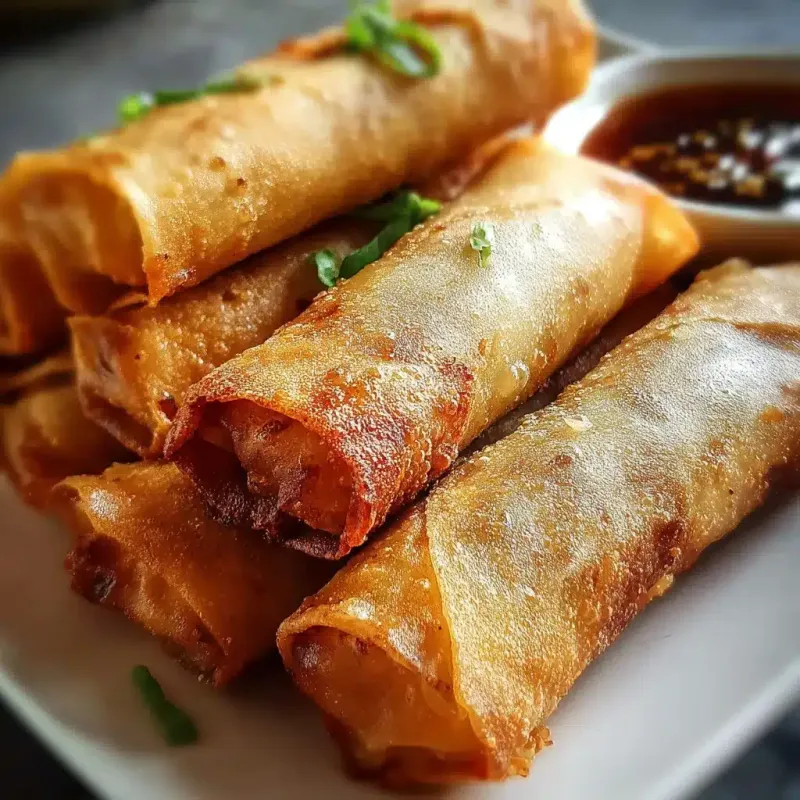
- Anything with a crisp shell or a soft fresh wrapper
- Sinigang or soup with rice packed in the same container (pack broth separately, always)
- Dishes with a lot of thin sauce, which finds its way into everything
A simple rule: the wetter the dish, the more important the separate container.
Fixing the rice problem
Rice is where most baon succeeds or fails. Cold rice firms up and gets a little chalky; too much moisture turns it to paste.
- Use day-old rice, or cook it slightly firmer than you'd eat at home
- Pack it in its own compartment or container, not under the ulam
- Add a splash of water and cover loosely before reheating — 60 to 90 seconds is usually enough
- For kids, garlic fried rice holds up better than plain white rice and tastes good at room temperature
- A small furikake-style sprinkle or a few toasted garlic chips makes plain rice feel intentional instead of like an afterthought
The aroma question, answered honestly
Yes, adobo smells like adobo. Vinegar, garlic, bay leaf — that's not a problem to be solved, it's the food.
That said, there are practical moves. Vinegar-forward dishes are actually less pungent when cold, so packing them chilled and reheating at lunch is often the least fragrant option. Eat in the break room rather than at the desk if the office is sensitive. And if a teacher or coworker comments, the right answer isn't an apology — it's an offer to bring enough for everyone next time.
Kid version, adult version
Same dish, different construction.
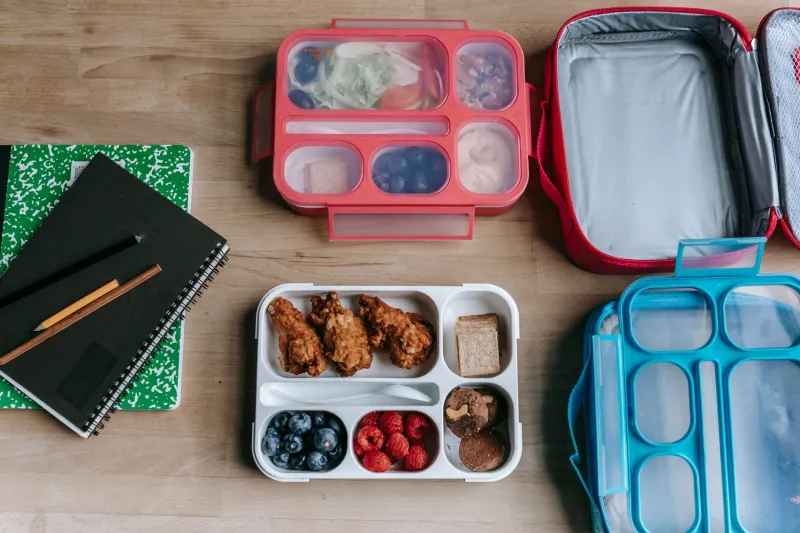
For kids: deconstruct it. Rice in one compartment, protein sliced small in another, sauce in a tiny lidded cup. Kids eat what they can pick up, and a sauce they control feels like a choice rather than a demand. Add something crunchy and something sweet — a few pieces of fruit, a small cookie — and skip the dishes that need two hands and a fork.
For adults: build a bowl. Rice on the bottom, protein and vegetables on top, sauce in a separate small jar to pour at lunch. Add a lime or calamansi wedge in a zip bag, because acid wakes up a reheated braise in a way nothing else does. A side of atsara or quick-pickled cucumber cuts through the richness.
A rotation that won't bore anyone
Monday: adobo with garlic rice. Tuesday: bistek, rice, pickled vegetables. Wednesday: longganisa and egg. Thursday: leftover kaldereta over rice. Friday: whatever's in the fridge, or a sandwich — nobody is grading you.
The variety comes from the condiments and the sides more than the main dish. Rotate the acid, the crunch, and the sweet, and the same braise tastes different by Thursday.
Gear worth owning
A divided stainless or glass container with a locking lid. A small insulated bag that actually fits it. Two gel ice packs, so one is always frozen. A tiny leakproof jar for sauce. That's the whole kit, and it costs less than a week of bought lunches.
Pack the food you grew up on. Just pack it like someone who has thought about the four hours between the kitchen and the cafeteria.