Your Chicken Soup Is Missing Something, and It's Sour: A Sinigang Manifesto
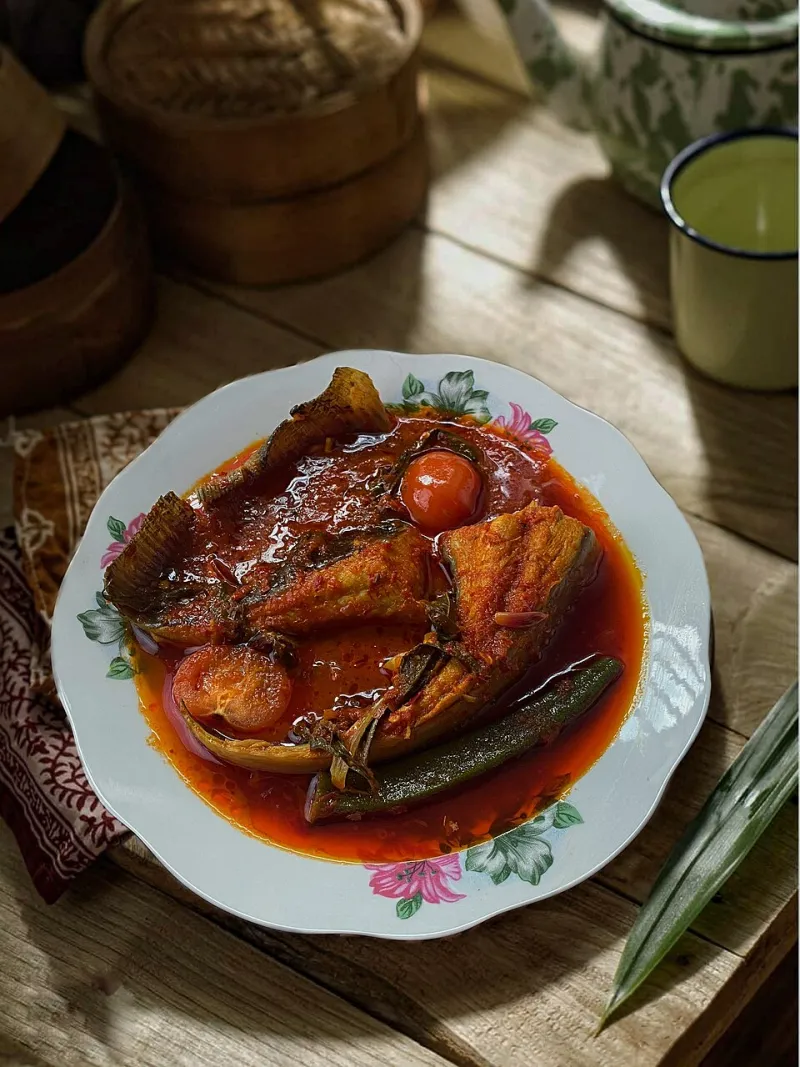
Photo: Elly Suhailee, CC BY-SA 4.0, via Wikimedia Commons
America has a soup problem, and I say this with love. We've embraced ramen. We've wept into pho. Matzo ball soup has its people, and tortilla soup has its moment every October. But there is a whole dimension of soup — the sour dimension — that most American kitchens have never touched. And it's exactly the dimension that fixes the worst kind of day.
The soup is called sinigang, and it's time we talked about it.
What Sourness Actually Does to Your Brain
First, the science, because it explains the obsession. Sourness is the flavor of alertness. Where fat comforts and salt grounds, acid wakes everything up. A sour broth literally stimulates saliva production, which sounds clinical until you realize that's the physical sensation of your mouth saying more. It's why lemon chicken feels lighter than it is, why a squeeze of lime rescues heavy tacos, why pickles exist.
Sinigang builds an entire soup around this effect. Tamarind delivers a sour that's nothing like vinegar's sharpness or citrus's brightness — it's deeper, fruitier, almost musky, with a roundness that tomato-based sourness can't reach. Swimming in that broth: pork or fish, a garden's worth of vegetables, and rice on the side to catch every last drop.
The result is a soup that's simultaneously comforting and refreshing. That combination is rare. Chicken noodle soothes but sits heavy. Sinigang soothes and resets. It's the difference between a blanket and a cold glass of water on a hot day — and some days, you need both at once.
The Tuesday Night Version
Here's the part where I lose the traditionalists and win your weeknight: you don't need a trip to an Asian market to make this.
The backbone of sinigang is broth, protein, vegetables, and souring agent. In the Philippines, home cooks simmer fresh sampalok or use guava, calamansi, even unripe mango. In the US, the beloved shortcut is a packet of tamarind soup base — sinigang mix — which costs about a dollar and delivers shockingly legit results. Find it at any Asian grocery, or order a multi-pack online and thank yourself later.
Your supermarket substitution guide:
- Protein: pork shoulder or country-style ribs are traditional; salmon or tilapia fillets work beautifully and cook in minutes; chicken thighs are a perfectly respectable weeknight move.
- Vegetables: daikon radish, green beans, and baby bok choy are all at Kroger. A sliced eggplant adds body. Spinach wilts in at the end if that's what you've got.
- Aromatics: onion, tomato, and a thumb of ginger or a few whole peppercorns. You already own all of this.
- The sour: one packet of tamarind soup base, or, in a pinch, a tablespoon of tamarind paste plus a squeeze of lime.
The method is nearly hands-off. Simmer your protein in water with the onion and tomato until tender — 45 minutes for pork, 15 for fish. Add the daikon and green beans, then the tamarind base, then the greens last so they stay green. Season with fish sauce, taste, adjust. The whole thing takes about an hour for the pork version, under 30 for fish, and most of that time the pot is just doing its own thing while you stand there smelling your kitchen turn into a place you want to be.
The End-of-Day Argument
I'll make the claim plainly: no soup ends a long day like sinigang does.
Bad days have a texture. Everything feels heavy and slightly gray, and the last thing you want is another rich, beige, cream-based comfort food sitting in your stomach like an apology. What you want is contrast. Something hot but bright. Something that makes your mouth pay attention again.
That's the sinigang effect. The sourness cuts through the fog of a bad day the way it cuts through fat in the broth. The vegetables give you the feeling of doing something good for yourself without any actual effort. The rice on the side makes it a complete meal. And if you're the kind of person who believes soup is a hug in a bowl, sinigang is the hug that also hands you an espresso.
There's a reason this soup shows up in nearly every Filipino household, across every region, with every family claiming their version — with rice, without, with pork belly, with shrimp, with a side of patis for the brave. A soup that adaptable, that forgiving, that awake, doesn't stay a secret forever. Ramen proved it. Pho proved it.
Sinigang's turn is coming. You might as well be ahead of the trend — the packet's only a dollar, and the potluck bragging rights are priceless.